Monolith Flat MAX Review
The ultimate precision espresso grinder. 98mm Shuriken burrs custom-designed by Kafatek for unparalleled extraction.

What We Love
Room for Improvement
Technical Specifications
| RPM | Fixed 500 |
| Retention | <0.1g |
| Motor Power | 700W |
| Weight | 18000g |
| Bean Capacity | 50g |
Grind Quality
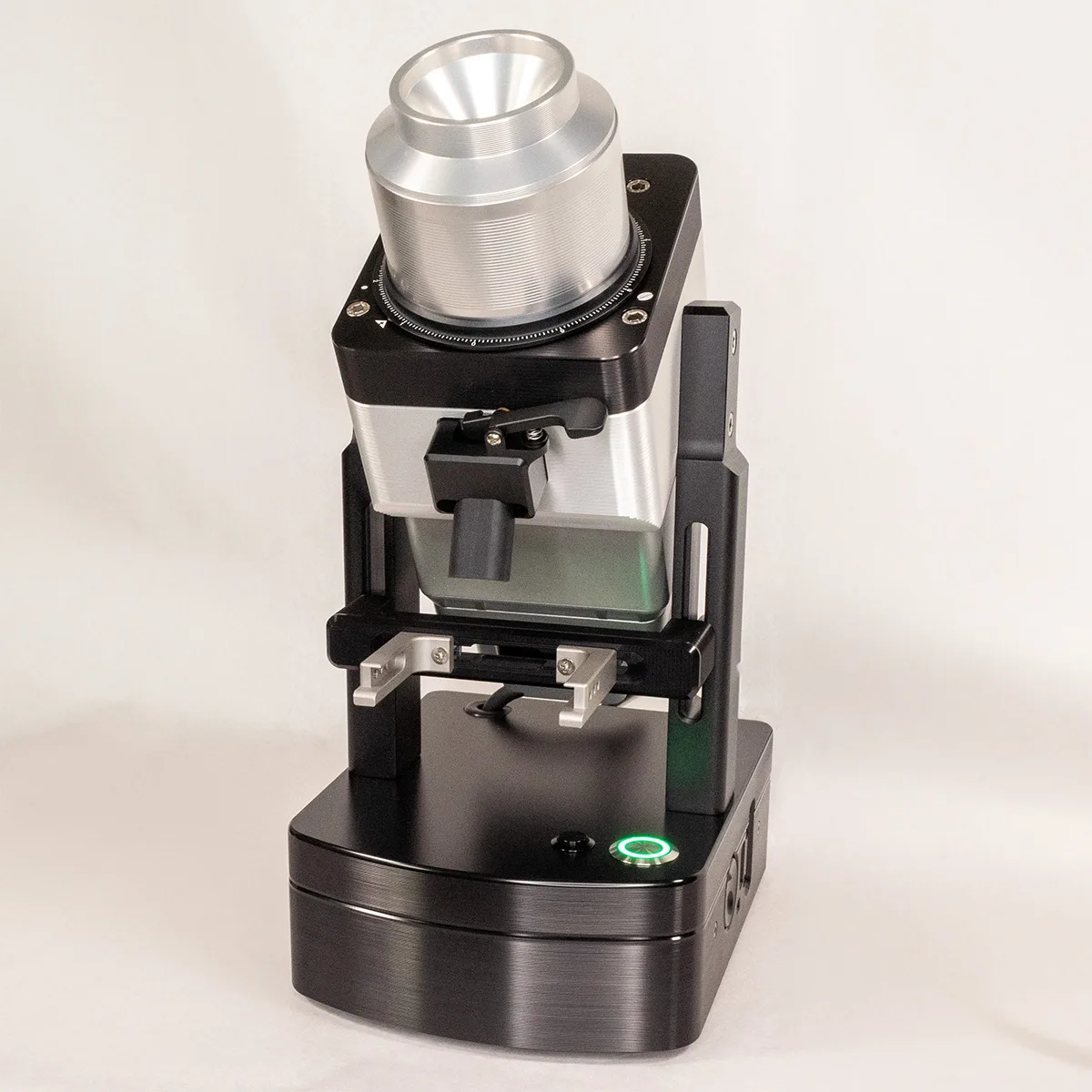
The 98mm flat burrs are the headline, and Kafatek uses its own "Shuriken" geometry with an alpha coating and a conical pre-crusher ahead of the main burrs.
The result is a grind distribution skewed toward the modern, high-clarity end of the spectrum — bright, articulate, and built for the kind of light-roast, high-brew-ratio espresso that has become the home enthusiast's benchmark.
The Monolith Flat MAX is specifically tuned for this, and Kafatek is upfront that if you pull medium or dark shots the Mahlkönig EK43 or a standard Monolith Flat will get you most of the way there without the premium.
That said, James Hoffmann's multi-part comparison series showed that the Flat MAX is not in a class of one. The Levercraft, the Weber Workshops EG-1, and notably the Lagom P64 all produced excellent espresso in his tests, and the differences between them were often within the noise of his own taste preferences.
The "endgame" label is as much about context as it is about measurable cup quality.
What the Flat MAX does uniquely well is combine a 98mm flat cut with very tight tolerances (Kafatek claims ±0.005mm on critical components and sub-10-micron burr carrier flatness), so the geometry of the burr is delivered as designed, batch after batch.
Build and Engineering
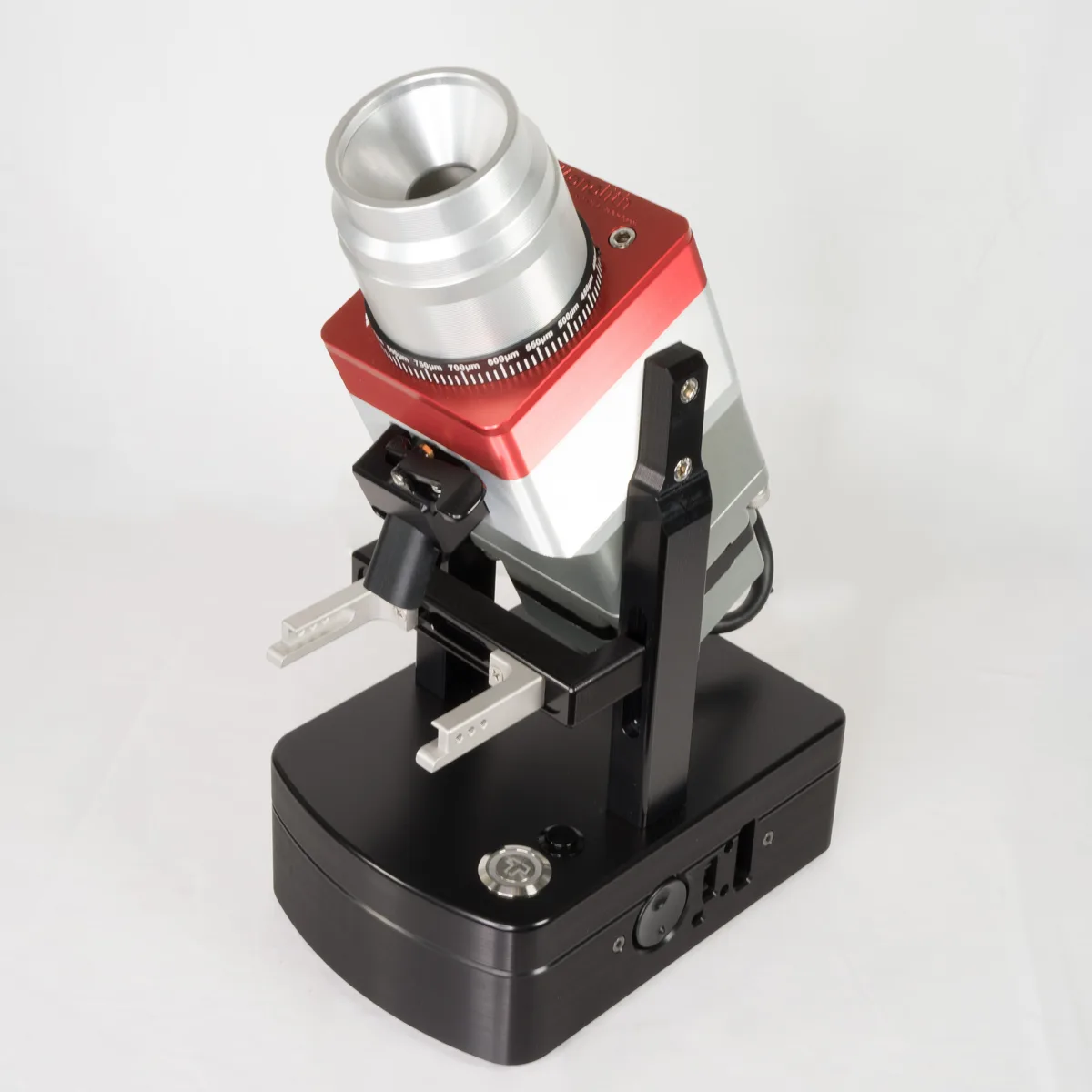
This is where the grinder earns its "Built Like a Tank" tag without apology. Every critical part is machined in-house in Seattle from solid stock, mounted on premium SKF bearings rated for 4,200 lb loads, with a brushless DC motor rated for 40,000 hours.
At 18kg it is heavy enough to stay planted on the counter during grinding, and the all-metal chassis and integrated power supply mean there are no external bricks to hide.
It feels like a piece of laboratory equipment, and users like David Schomer at Espresso Vivace describe it as something to hand down rather than replace.
The trade-off is industrial appearance and footprint density. At 19cm wide and 22cm deep it is actually compact for the burr size, but it is not a beautiful object in the way a Ceado E37S or an EG-1 is. This is a tool, not a piece of design.
Workflow
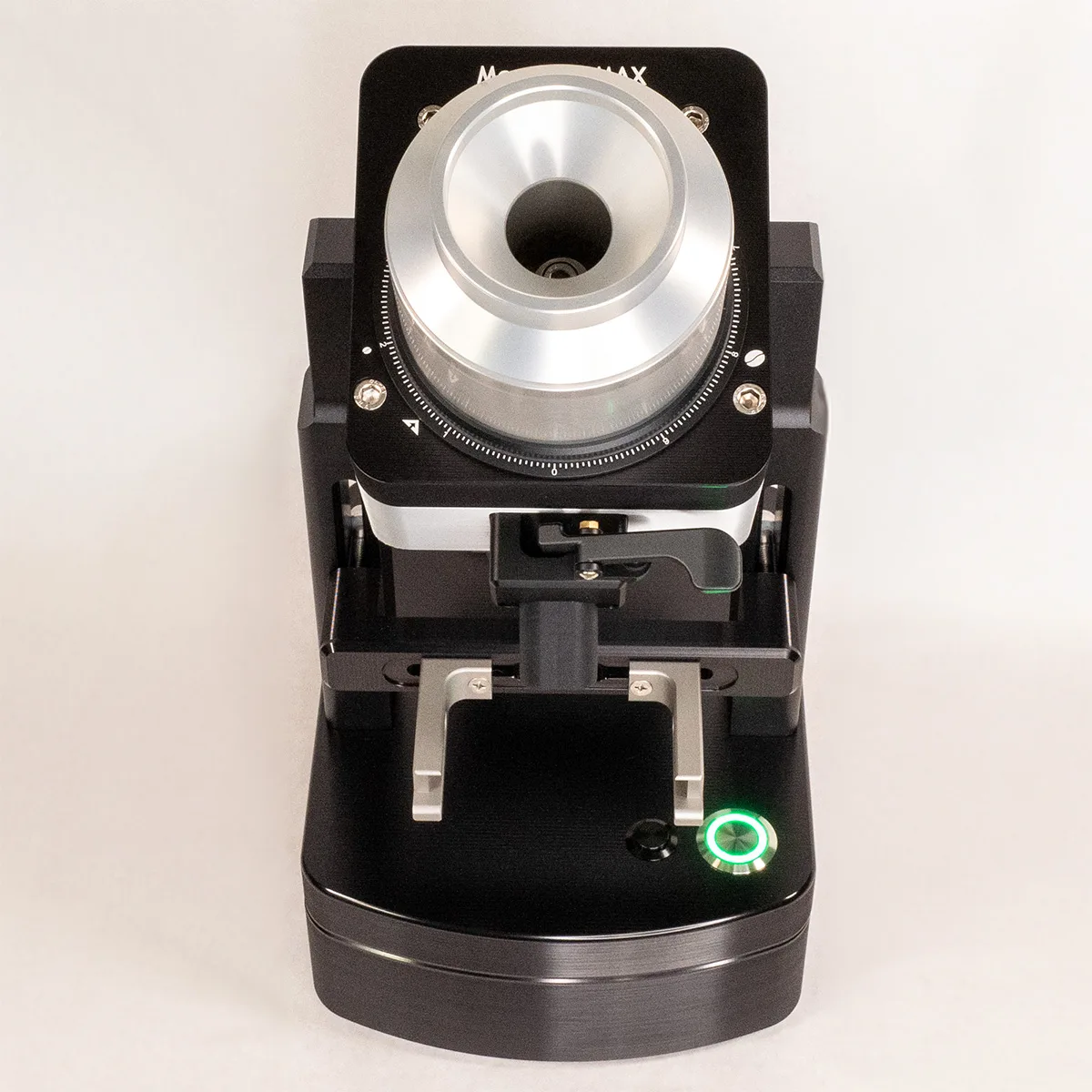
The Flat MAX is a single-dose grinder with effectively zero retention — Kafatek quotes less than 0.5g without RDT and effectively 0g with it, and the specs here list under 0.1g. The exit chute is short, magnetically attached, and cleared with a thwacker.
The stepless collar is stepless and lockless, which sounds alarming but is intentional: the threading is precise enough that the setting does not drift in use, according to both the manufacturer and long-term owners.
The variable-speed motor is a quiet revolution. Kafatek lists 22–400 RPM (the 500 RPM fixed figure in the spec sheet appears to refer to an earlier configuration or a max load rating rather than a locked setting), which means you can slow the burrs right down for clarity work or push them for faster throughput.
Combined with the 700W motor, grind time for an 18–20g espresso dose is roughly 8–10 seconds. Workflow is genuinely fast once you have dialled in.
What the Flat MAX does not have is anti-static treatment. Static is managed the old-fashioned way — RDT, a quick tap, and the chute design. Owners report this works well in practice, but if you are coming from a grinder with a built-in static solution, expect a small adjustment period.
Who It Suits
Buy this if you are pulling light-roast, high-clarity espresso as your daily practice, you already own and know a high-end flat or conical grinder, and you have exhausted what that grinder can tell you about your coffee. The Flat MAX is a refinement tool, not a starting point.
The pros are real: the burr set, the alignment out of the box, the near-zero retention, the motor, the build.
Do not buy it if you drink medium or dark espresso, if you are choosing your first serious grinder, or if the difference between an 8.5 cup and a 9.0 cup does not justify the gap between this and a Lagom P64, a Ceado E37S, or even a well-tuned EK43.
The Flat MAX is a genuine step up. It is just not the only step up, and at this money the diminishing returns are stark.
Compared to the Field
Against the Lelit William PL72 or the Mazzer Mini the comparison is almost unfair — those are domestic workhorses at a fraction of the price, and the Flat MAX is a different category of machine.
The honest comparison is with the Weber EG-1, the Levercraft, and the Lagom P64, and there the Flat MAX wins on burr size, motor control, and build, while losing on price, footprint, and arguably on aesthetics.
None of those competitors produce a clearly better espresso in blind testing; the Flat MAX produces a clearly more controlled espresso, which is a different thing.
Buy the Monolith Flat MAX if you are an experienced home barista pulling light-roast espresso daily, you already own a high-end grinder, and the step from very good to exceptional is worth $3,500 to you. Do not buy it if medium or dark roasts are your norm, if this is your first serious grinder, or if you would rather spend the difference on beans. It is a refinement, not a revelation.
Hassan is a software developer with a coffee problem. Coffee Grinder Index is his attempt to solve it — one grinder at a time.