Kinu M47 Classic Review
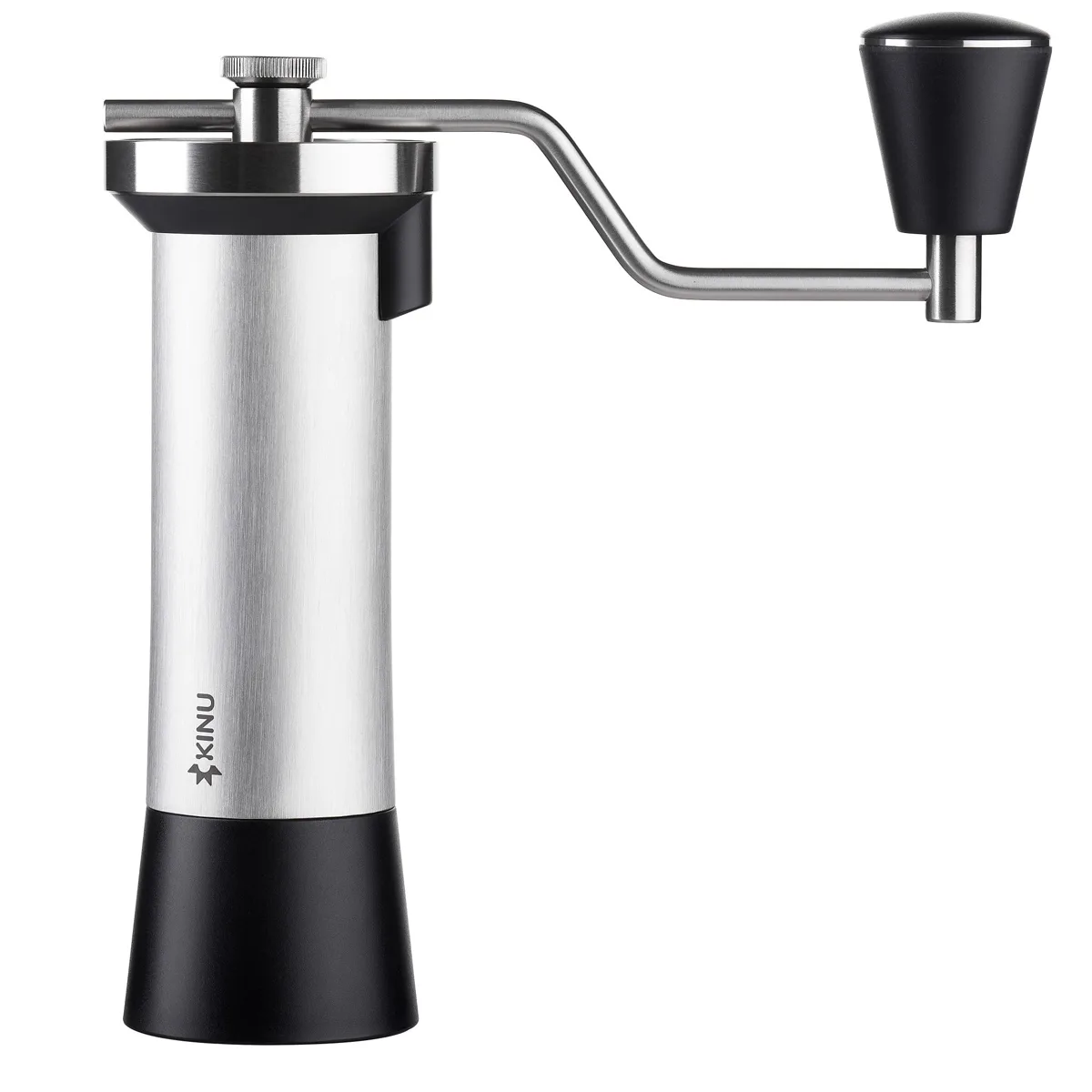
Full stainless steel body with silky-smooth grinding action.
What We Love
Room for Improvement
Technical Specifications
| Weight | 760g |
| Bean Capacity | 40g |
Grind Quality
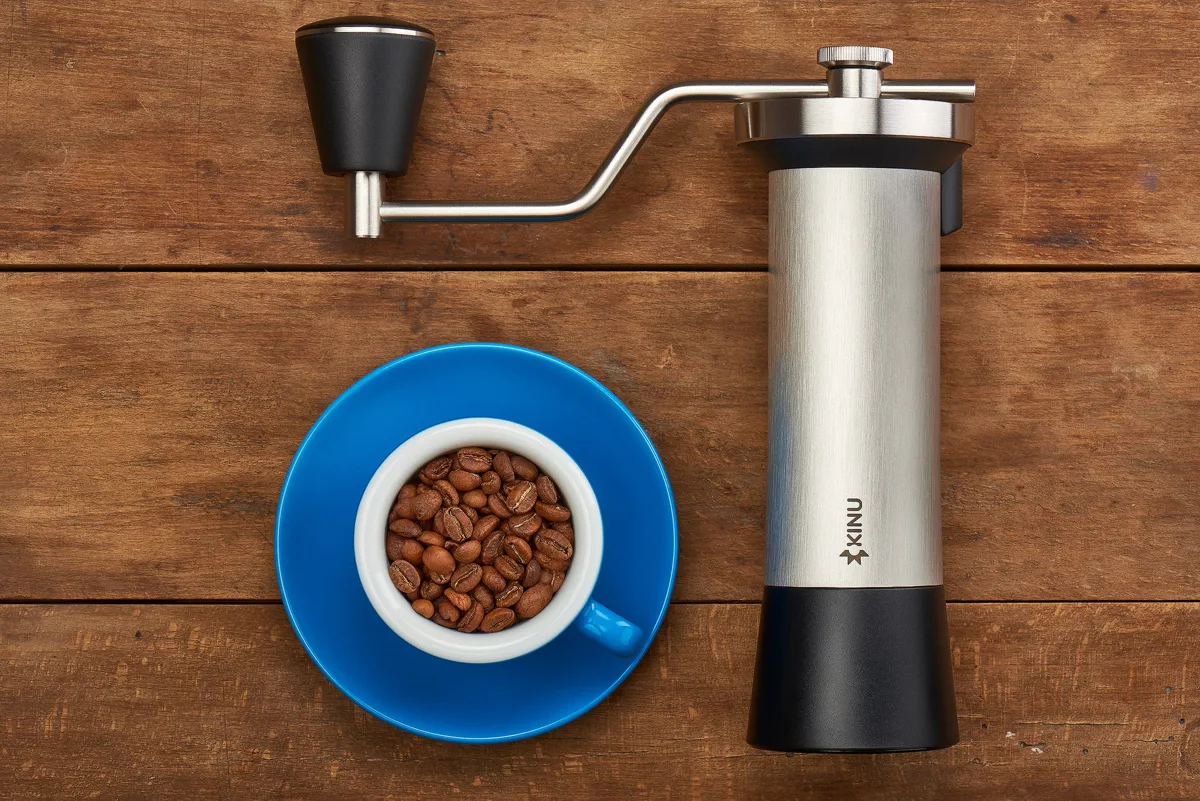
The 47mm conical steel burrs are the headline feature, and they earn their reputation. Particle distribution is tight for a hand grinder, with noticeably fewer fines and boulders than you get from a 38mm conical like the Timemore Chestnut X at a similar price.
For espresso, where the M47 is aimed, this matters: the Classic pulls shots with a clarity and sweetness that most manual rivals cannot match, and the grind holds its character from Turkish fine all the way up to French press coarse.
One caveat from long-term owners. A 2020 thread on r/Coffee documented burr alignment drift after roughly a year of intermittent use, with users reporting the zero point shifting and grounds clogging paper filters. Kinu has not publicly addressed the pattern, and customer support responses were slow at the time.
Newer production runs may have changed, but the absence of a documented fix means you should buy with eyes open.
Build Quality
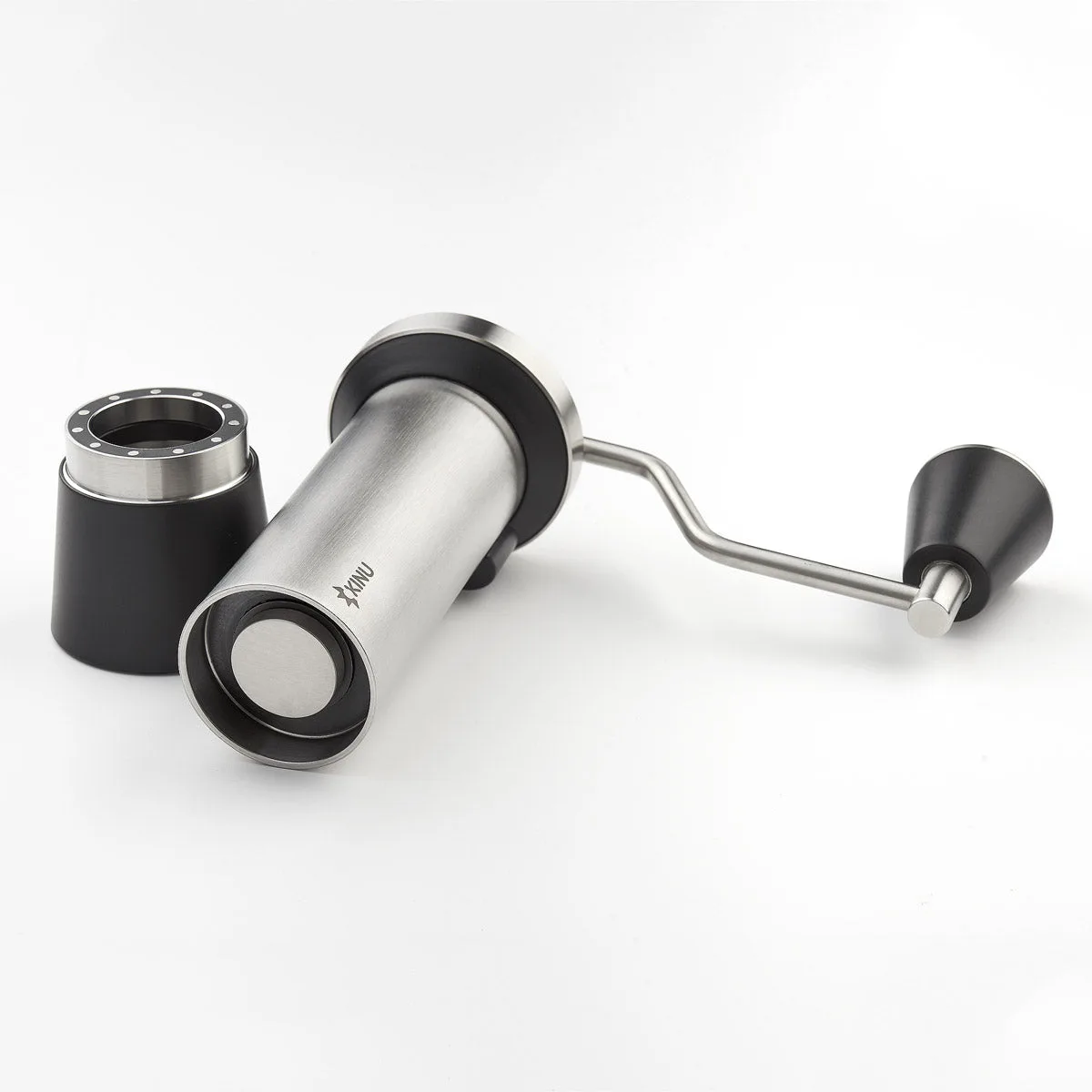
This is where the German engineering tag feels earned. The body is a solid block of stainless steel, the axle runs on four steel ball bearings, and there is no plastic in the burr assembly or the grounds cup.
At 760g it is genuinely heavy for a hand grinder, more comparable to a small electric than to most of its manual competition.
The adjustment mechanism is the best part of the build. It is stepless with 50 subdivisions per revolution, which gives roughly half the resolution of a typical click-style hand grinder. The dial locks solidly and does not slip under load, a complaint that has dogged some cheaper manuals for years.
The catch cup threads on cleanly and the magnetic or friction fit keeps it stable during grinding.
The downsides are minor but real. The crank knob is plastic on the Classic (silicone on the Phoenix, if that matters to you), and a few owners have knocked the cup off mid-grind with predictably messy results.
The grinder is not fully dismountable for deep cleaning, which is a meaningful gap at this price.
Workflow in Daily Use
For a single-dose workflow, the 40g hopper is right-sized for one espresso dose or one large pour-over, and grounds pour out cleanly with very little static cling. The lack of an anti-static feature is a non-issue in practice because the stainless cup does not hold a charge the way plastic catch cups do.
The crank is smooth and the bearings keep the burrs centered, so the effort is consistent from start to finish. Expect roughly 90 turns for an 18g espresso dose, which is around two minutes of steady cranking.
That is slow if you are making back-to-back drinks for four people, but for a single morning espresso or one pourover it is a comfortable, almost meditative process. The 760g weight becomes tiring only on long grinds; for a single dose it actually helps stability on the counter.
One ergonomic complaint we had was: the adjustment direction is counter-intuitive. Clockwise is finer, which matches industry convention but feels backward to many users. There is also no printed starting guide in the manual, so first-time espresso dialling means leaning on community resources.
Who It Suits
The M47 Classic is built for the home barista who has moved past the entry-level hand grinder and wants the best possible espresso grind from a manual setup. If your daily routine is one or two drinks and you value grind consistency over speed, this is a strong fit.
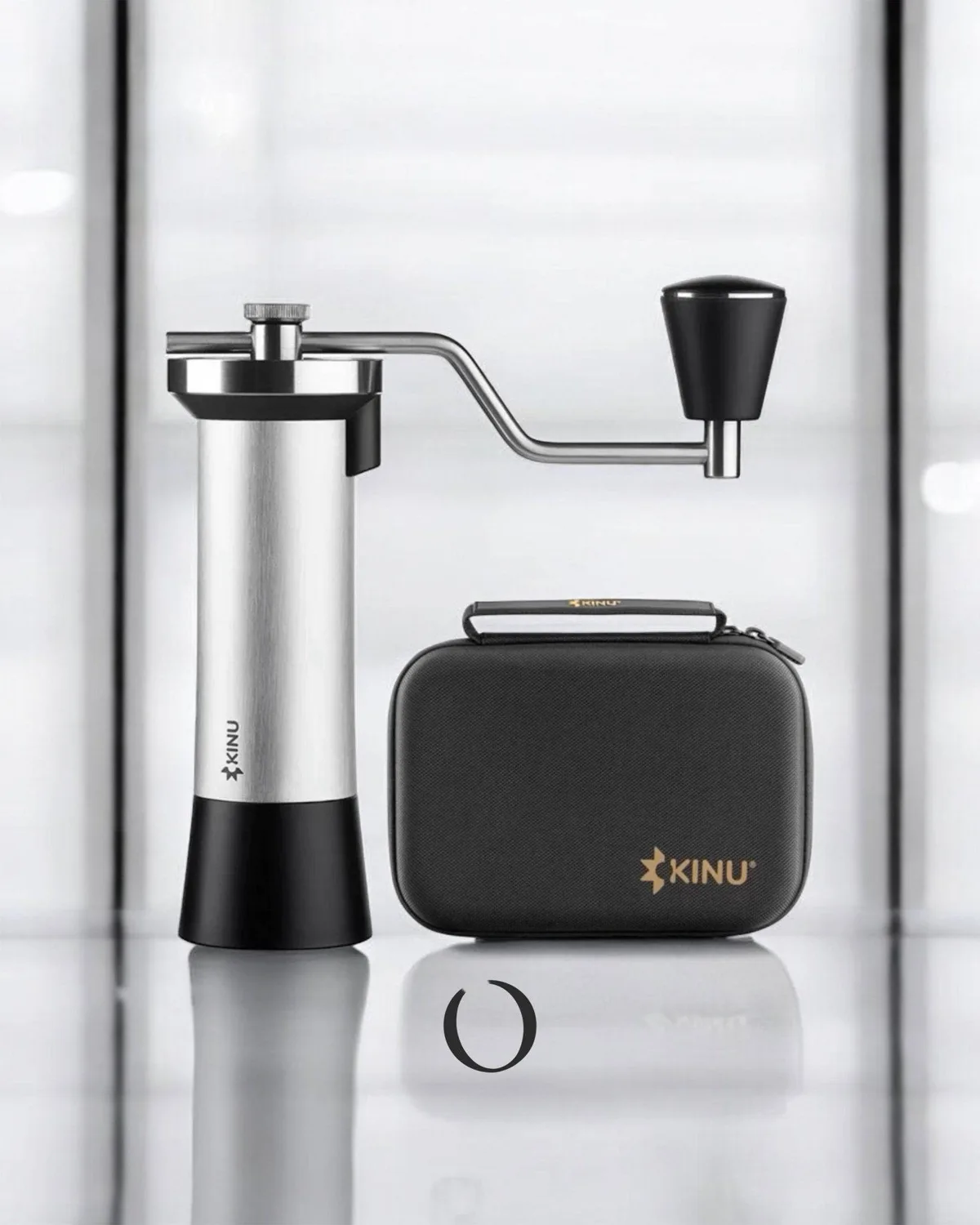
It is also a genuine option for someone who travels with a small kit, since the all-metal body shrugs off bumps that would crack a plastic-bodied rival.
It is not the right choice if you grind large volumes, if you want the lightest possible pack weight, or if you want fully serviceable internals. Buyers should also weigh the documented alignment issue: at $300, a grinder that may need replacement or major service within 18 months is a real risk.
How It Compares
Against its sibling Kinu M47 Phoenix, the Classic is essentially the same mechanism in a slightly less refined package, saving you money in exchange for a plastic knob and no silicone grip.
The 1Zpresso J-Max is the obvious cross-shop: similar burr size, similar price, but a click-based adjustment that some espresso shooters actually prefer for repeatability.
If you grind mostly for pour-over rather than espresso, the 1Zpresso JX or a Comandante will serve you better, and for the same money you can find electric options that trade craft for speed.
Buy the Kinu M47 Classic if you are a single-dose home espresso drinker who wants benchmark grind quality from a manual setup and is happy to accept the 760g weight and the small but real risk of long-term alignment drift. Skip it if you brew for more than one or two people at a time, if you need a fully serviceable grinder, or if you would rather spend the $300 on an electric with similar burr quality and far less effort.
Hassan is a software developer with a coffee problem. Coffee Grinder Index is his attempt to solve it — one grinder at a time.